
We accept CDCP
A single-tooth dental implant might seem like a big decision when you’re only missing one tooth. After all, if the gap isn’t visible when you smile, and you can still eat comfortably, is replacing it really necessary?
It’s a question many patients have. Losing one tooth doesn’t always create immediate problems, especially when the surrounding teeth are healthy. However, the space left behind can gradually affect your bite, neighbouring teeth, and jawbone.
Dr. Julia Chrapka at Alora Dental Guelph helps patients understand their tooth replacement options and the factors that matter when making this decision.
Before deciding whether an implant is worth the investment, it helps to understand what happens when a tooth is missing and how different replacement options compare.
What Happens When You Leave One Missing Tooth Unreplaced?
One missing tooth might not seem particularly concerning, especially if it’s toward the back of your mouth.
However, your teeth work together to maintain a balanced bite.
When a tooth is lost, several changes may occur over time.
Neighbouring teeth may shift: Teeth beside the space can gradually tilt or move toward it, potentially affecting your bite.
Jawbone may shrink: The bone that once supported the missing tooth can gradually lose volume because it no longer receives normal stimulation from the tooth root.
Chewing may become less balanced: You might begin favouring one side of your mouth, particularly if the missing tooth was a molar.
Opposing teeth may move: A tooth in the opposite jaw can sometimes extend into the space when it no longer contacts another tooth.
These changes don’t happen to everyone, and their severity varies. However, replacing a missing tooth may help maintain function and reduce certain long-term complications.
Is a Single-Tooth Dental Implant Worth the Investment?
For many patients, a dental implant can be a worthwhile long-term option because it replaces the missing tooth without requiring support from neighbouring teeth.
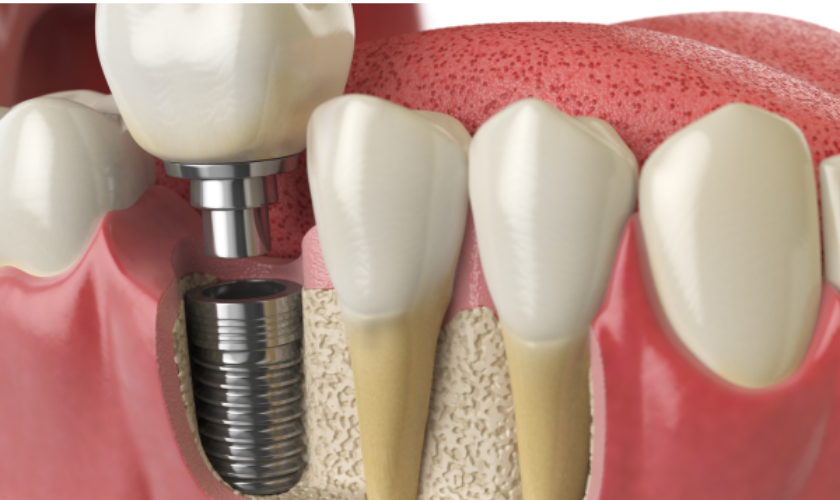
A dental implant consists of a small post, usually made from titanium, placed into the jawbone. Once the implant has integrated with the bone, an abutment and custom-made crown are attached.
The completed restoration is designed to resemble a natural tooth in appearance and function.
Here are some reasons patients consider this treatment.
1. It Doesn’t Require Altering Healthy Neighbouring Teeth
A traditional dental bridge typically relies on the teeth beside the gap for support.
These teeth often need to be reshaped to accommodate crowns.
A single-tooth dental implant, on the other hand, is supported independently by the jawbone.
This can be particularly beneficial when the neighbouring teeth are healthy and don’t otherwise require crowns.
2. It Helps Maintain Jawbone Around the Missing Tooth
After tooth loss, the surrounding jawbone can gradually shrink.
Because a dental implant transfers chewing forces into the bone, it can help preserve bone around the implant.
However, implants don’t completely prevent all jawbone changes, and bone loss may still occur in other areas.
3. It Can Restore Comfortable Chewing
Missing a molar can make certain foods more difficult to chew.
An implant-supported crown can help restore chewing function once the implant has healed and the restoration is complete.
Patients can generally return to eating a wide variety of foods, although maintaining the implant and surrounding tissues remains important.
4. It Offers a Natural-Looking Tooth Replacement
If you’re missing a front tooth, appearance may be one of your biggest concerns.
An implant-supported crown can be designed to match the colour, shape, and proportions of your surrounding teeth.
The final appearance depends on several factors, including gum health, bone structure, and restoration design.
5. It Can Provide Long-Term Value
Dental implants are designed to function for many years.
With appropriate care, some implants remain functional for decades.
However, their lifespan isn’t guaranteed. Gum disease, smoking, certain medical conditions, and poor oral hygiene can increase the risk of complications.
The crown attached to the implant may also need replacement over time because of wear or damage.
When Might a Single Tooth Dental Implant Not Be the Right Choice?
Although dental implants offer several advantages, they aren’t suitable for everyone.
Our dentist will consider your oral health, medical history, and treatment goals before recommending an implant.
Some factors that may affect eligibility include:
- Insufficient jawbone: Bone grafting may be necessary before implant placement.
- Active gum disease: Periodontal problems generally need to be managed before treatment.
- Certain medical conditions: Conditions affecting healing may require additional evaluation.
- Smoking: Tobacco use can increase the risk of implant complications.
- Financial considerations: Implants may involve a higher initial investment than some alternatives.
Patients should also consider the time required for treatment and healing.
In some situations, a bridge or another replacement option may be more appropriate.
Single Tooth Dental Implant vs. Dental Bridge: Which Is Better?
Both dental implants and bridges can replace a missing tooth, but they work differently.
| Factor | Dental implant | Dental bridge |
|---|---|---|
| Support | Anchored in the jawbone | Supported by neighbouring teeth |
| Adjacent teeth | Usually don’t require reshaping | Often require reshaping |
| Jawbone preservation | Helps maintain bone around the implant | Doesn’t replace the missing root |
| Treatment time | Often requires several months | Usually completed sooner |
| Cleaning | Requires brushing and interdental cleaning | Requires cleaning beneath the replacement tooth |
| Initial cost | Generally higher | Often lower |
Neither option is automatically better for every patient.
If the neighbouring teeth already need crowns, a bridge may be reasonable. If they’re healthy, an implant may offer advantages by preserving their natural structure.
What Should You Expect During Single Tooth Dental Implant Treatment?
The treatment process varies depending on your oral health and whether additional procedures are needed.
Step 1: Dental Examination and Planning
Your dentist examines the missing tooth area and reviews your medical and dental history.
Dental imaging helps evaluate the available bone and nearby anatomical structures.
Step 2: Implant Placement
A dental professional places the implant into the jawbone during a surgical procedure.
Local anaesthesia is typically used to keep the area numb.
Step 3: Healing and Bone Integration
Over the following months, the surrounding bone gradually integrates with the implant.
This process, called osseointegration, provides stability for the final restoration.
Step 4: Crown Placement
Once the implant is ready, an abutment and custom crown are attached.
Your dental team checks the appearance, fit, and bite before completing treatment.
Not every dental practice performs every stage of implant treatment in-house. Your dentist can explain whether surgical placement, restoration, or specialist referrals are required.
How Much Does a Single Tooth Dental Implant Cost in Guelph?
The cost of replacing one tooth with an implant depends on several factors.
These may include the implant placement procedure, abutment, crown, diagnostic imaging, and any necessary bone grafting.
Some patients require additional treatment before an implant can be placed.
If you’re considering dental implants in Guelph, request a written treatment estimate that explains the recommended procedures and associated fees.
Dental insurance coverage varies by plan. Some policies may cover portions of the restoration or related procedures, while others exclude implant treatment.
A consultation can help you compare the initial cost with the expected maintenance needs of other tooth replacement options.
How Do You Care for a Single-Tooth Dental Implant?
Although dental implants cannot develop cavities, the gums and bone supporting them can still become inflamed or infected.
Proper maintenance is important for long-term success.
Brush twice daily, clean around the implant using suitable interdental tools, and attend regular dental examinations.
Your dental team may recommend particular cleaning products depending on the shape and position of your restoration.
If you notice bleeding, swelling, discomfort, or movement around an implant, arrange a dental assessment.
Explore Your Options for Replacing One Missing Tooth
Losing one tooth doesn’t mean you have to live with the gap indefinitely. A single tooth dental implant may help restore chewing function, maintain bone around the replacement, and preserve neighbouring teeth.
However, the right choice depends on your oral health, preferences, and long-term treatment goals.
If you’re wondering whether replacing one missing tooth is worthwhile, contact us to schedule a consultation with Dr. Julia Chrapka. Discuss your concerns, learn about available treatment options, and take the next step toward restoring your smile.
Frequently Asked Questions About Single Tooth Dental Implants in Guelph
1. Can I Replace Just One Missing Tooth at Alora Dental Guelph?
If you’re missing one tooth, Alora Dental Guelph can help you explore replacement options. An examination can determine whether an implant-supported crown, dental bridge, or another treatment may suit your oral health needs. Your dental team can also explain any necessary referrals.
2. How Long Does a Single Tooth Dental Implant Take to Heal in Guelph?
Healing commonly takes several months, although the timeline varies. Bone quality, implant location, overall health, and additional procedures can affect recovery. Your dental provider can explain the expected treatment schedule after evaluating your mouth.
3. Can Dr. Julia Chrapka Help Me Decide Whether a Dental Implant Is Worth It?
Dr. Julia Chrapka at Alora Dental Guelph can discuss your missing tooth, treatment goals, and available replacement options. A clinical examination is necessary to determine whether implant treatment may be appropriate and what additional assessment or referral is needed.
4. Is It Painful to Get a Single Dental Implant in Guelph?
Implant placement is typically performed under local anaesthesia. Some swelling, tenderness, and discomfort are common afterward. Most patients can manage expected postoperative discomfort with their clinician’s recommended care instructions. Severe or worsening symptoms require prompt assessment.
5. Can Seniors in Guelph Get Dental Implants for One Missing Tooth?
Yes. Age alone doesn’t determine implant eligibility. Older adults may be candidates if their oral health, bone support, and general health allow treatment. A dental assessment helps determine whether an implant is suitable.