

We accept CDCP
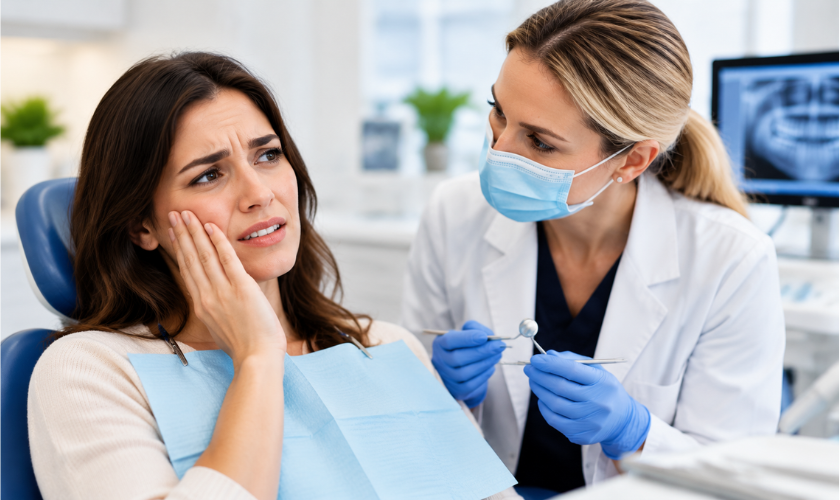
Emergency dentistry services in Guelph can help when sudden dental problems interrupt your day and leave you unsure what to do next. Severe tooth pain, a broken tooth, swelling, or dental injuries can happen unexpectedly, and delaying treatment may allow a small issue to become more complicated.
Many people try to wait out dental discomfort, hoping it will disappear on its own. However, pain is often your body’s way of signalling that something needs attention. Getting timely dental care can help protect your oral health, reduce discomfort, and prevent further damage.
At Alora Dental – Guelph, patients can receive guidance and care for urgent dental concerns while understanding their treatment options. Knowing which situations require immediate attention can help you make the right decision when every moment matters.
What Is Considered a Dental Emergency?
A dental emergency is any situation involving serious pain, injury, infection, or damage that requires prompt professional evaluation.
Not every dental concern requires same-day treatment, but certain warning signs should not be ignored. These may include:
- Intense or persistent tooth pain
- Facial or gum swelling
- A knocked-out tooth
- A cracked or broken tooth
- Signs of infection
- Uncontrolled bleeding
- Trauma affecting teeth or the mouth
If you experience any of these problems, contacting a dental professional quickly can help prevent the condition from worsening.
7 Dental Emergencies You Should Never Ignore
1. Severe Tooth Pain That Does Not Go Away
A sudden or ongoing toothache is one of the most common reasons people seek urgent dental care. While occasional sensitivity may have simple causes, persistent pain can sometimes indicate deeper concerns such as decay, infection, or damage inside the tooth.
Pain that interferes with sleeping, eating, or daily activities should not be ignored. A dentist can examine the tooth, identify the cause, and recommend appropriate treatment.
Avoid placing aspirin directly on the tooth or gums, as this may irritate the soft tissues. Instead, schedule an evaluation to understand what is causing the discomfort.
2. A Knocked-Out Tooth
A knocked-out tooth is a dental emergency that requires quick action. Whether caused by sports injuries, accidents, or falls, immediate care may improve the chances of saving the tooth.
If a permanent tooth has been completely removed:
- Hold the tooth by the crown, not the root
- Gently rinse it if it is dirty
- Avoid scrubbing the root
- Try placing it back into the socket if possible
- Keep it moist until you reach a dentist
If reinserting the tooth is not possible, place it in milk or a tooth preservation solution and seek professional care as soon as possible.
For additional information about dental trauma and oral health, patients can visit resources from the Canadian Dental Association.
3. A Cracked or Broken Tooth
A cracked tooth can happen due to biting down on hard foods, injuries, or weakened tooth structure. Even if the damage appears minor, cracks can allow bacteria to enter deeper areas of the tooth.
Common signs of a cracked tooth include:
- Pain when chewing
- Sensitivity to hot or cold foods
- Sharp pain that comes and goes
- Visible damage to the tooth
Treatment depends on the severity of the crack. Options may include restorative treatments such as fillings, crowns, or other procedures designed to protect the tooth.
4. Dental Abscess or Facial Swelling
An abscess is an infection that can develop around a tooth or in the gums. Symptoms may include swelling, severe pain, a bad taste in the mouth, fever, or sensitivity.
Dental infections should be treated promptly because they can spread beyond the affected tooth area.
If you notice swelling in your face, jaw, or gums, contact your dental office as soon as possible. Your dentist can determine the cause and provide appropriate care to address the infection.
5. Excessive Bleeding After Dental Injury
Minor bleeding can happen after some dental procedures or small injuries, but ongoing bleeding after trauma should receive professional attention.
Possible causes may include:
- A damaged gum area
- A cut inside the mouth
- A knocked-out or damaged tooth
- Injury to surrounding tissues
Applying gentle pressure with clean gauze may help temporarily, but persistent bleeding should be evaluated by a dental professional.
6. Lost Dental Fillings or Crowns
A missing filling or crown may not always seem urgent, but leaving the tooth exposed can increase the risk of sensitivity, further damage, or decay.
If a filling falls out or a crown becomes loose:
- Avoid chewing on that side
- Keep the restoration if it comes out
- Avoid extremely hot or cold foods
- Schedule a dental appointment
Your emergency dentist in Guelph can assess the tooth and determine whether the restoration needs repair or replacement.
7. Injury During Sports or Accidents
Sports activities, vehicle accidents, and unexpected falls can result in dental injuries. Even when there is no visible damage, teeth can experience internal trauma.
After an accident, it is important to check for:
- Loose teeth
- Tooth fractures
- Jaw discomfort
- Gum injuries
- Changes in your bite
A dental examination can identify issues that may not be immediately visible.
How Can You Prevent Dental Emergencies?
While some emergencies happen unexpectedly, many urgent dental problems can be reduced through preventive care.
Helpful habits include:
- Scheduling regular dental exams
- Maintaining daily brushing and flossing
- Wearing a mouthguard during contact sports
- Avoiding chewing hard objects
- Addressing small dental problems early
Routine dental visits allow your dentist to identify concerns before they become painful emergencies.
Why Choose Alora Dental – Guelph for Emergency Dental Care?
When a dental emergency happens, patients need a clinic that provides clear guidance and timely support. Alora Dental – Guelph focuses on helping patients understand their dental concerns and receive appropriate care based on their needs.
Whether you are dealing with sudden tooth pain, a damaged tooth, or another urgent concern, contacting your dental office early can make a difference.
Finding a trusted dental provider before an emergency occurs can also save valuable time when unexpected problems arise.
Get Help When Your Smile Needs Immediate Attention
Dental emergencies can be stressful, but knowing what steps to take can help protect your oral health. Ignoring pain or damage may allow the problem to become more difficult to treat.
If you experience severe discomfort, swelling, injury, or sudden changes in your teeth, contact Alora Dental – Guelph for professional guidance and care.
Your smile deserves attention when it needs it most.
Frequently Asked Questions
1. When should I visit an emergency dentist in Guelph?
You should seek emergency dental care for severe tooth pain, facial swelling, knocked-out teeth, broken teeth, uncontrolled bleeding, or signs of infection.
2. Can I visit an emergency dentist in Guelph for a broken tooth?
Yes. A broken tooth should be evaluated quickly to determine the extent of damage and prevent further complications.
3. What should I do if my tooth gets knocked out in Guelph?
Keep the tooth moist, avoid touching the root, and contact a dental office immediately for guidance and possible treatment.
4. Is tooth pain always considered a dental emergency?
Severe or persistent tooth pain may indicate an underlying problem that requires professional evaluation, especially if it affects daily activities.
5. Does Alora Dental – Guelph provide urgent dental appointments?
Patients experiencing urgent dental concerns can contact Alora Dental – Guelph to discuss their symptoms and available care options.