
We accept CDCP
A dental crown fell off while you were enjoying lunch or dinner. One moment, everything felt normal. The next time, you noticed something hard in your mouth, only to realize it was your dental crown.
It can be alarming, especially if the tooth underneath feels sensitive or looks different from what you expected. You might wonder whether the crown can be reattached, whether you can continue eating, or if you need an emergency dental appointment.
The reassuring news is that a detached crown doesn’t always mean the underlying tooth is seriously damaged. However, it does need professional attention.
Dr. Julia Chrapka at Alora Dental Guelph explains why dental crowns sometimes come loose, what you should do immediately, and how to protect your tooth until you can visit a dentist.
Can a Dental Crown Really Fall Off While Eating?
Yes. Although dental crowns are designed to stay securely attached, they can occasionally become loose or detach while eating.
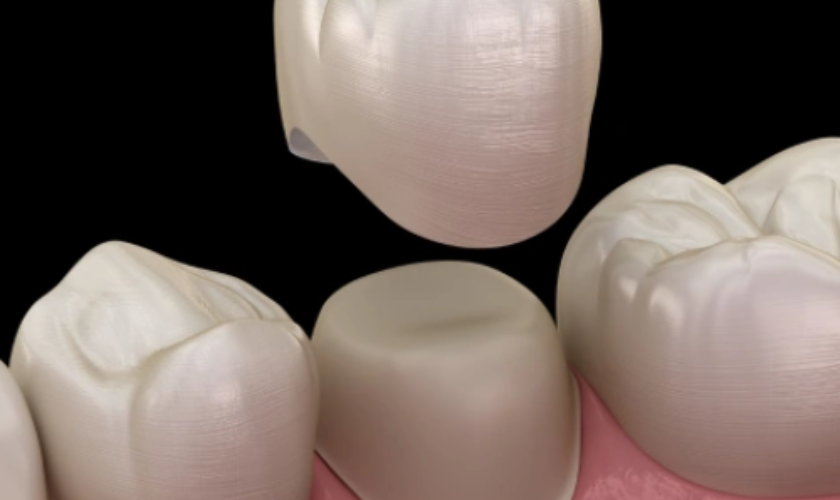
A crown covers the visible portion of a damaged or weakened tooth. It restores the tooth’s shape, appearance, and ability to withstand normal chewing forces.
Dental cement helps hold the crown in place, but the restoration also depends on the shape and condition of the underlying tooth.
Over time, changes in the tooth, wear of the cement, or excessive biting forces may affect how securely the crown stays attached.
Sticky foods such as caramel or chewy candy may pull on a crown that has already loosened. Hard foods can also place considerable pressure on a weakened restoration.
However, a properly fitted crown shouldn’t routinely fall off during normal eating. If yours becomes detached, your dentist should investigate the cause.
Why Does a Dental Crown Fall Off?
Several factors can cause a dental crown to loosen or detach.
1. The Dental Cement Has Weakened
Dental cement helps secure the crown to the prepared tooth.
Over time, the bond may deteriorate, particularly if the crown has been exposed to repeated chewing forces or moisture entering its margins.
When the bond weakens, the crown may become loose before eventually falling off.
2. Tooth Decay Has Developed Under the Crown
A crowned tooth can still develop cavities.
If bacteria enter around the crown’s edges, decay may weaken the remaining natural tooth structure.
As the tooth changes shape, the crown may no longer fit securely.
This is one reason regular dental examinations remain important even after restorative treatment.
3. You Frequently Grind or Clench Your Teeth
Teeth grinding, also called bruxism, places additional pressure on dental restorations.
Repeated clenching or grinding can contribute to crown damage, loosening, or fractures.
If you wake up with jaw soreness or notice worn teeth, discuss these symptoms with your dentist.
A custom nightguard may be recommended when appropriate.
4. The Crown No Longer Fits Properly
A crown depends on the underlying tooth for support.
If the tooth fractures, develops decay, or loses supporting structure, the restoration may no longer fit as intended.
In some cases, a crown may also have had inadequate retention from the beginning.
Your dentist needs to examine both the crown and tooth before deciding whether it can be reused.
5. You’re Eating Very Sticky or Hard Foods
Chewing ice, hard candy, or particularly tough foods can place significant pressure on a dental crown.
Sticky foods may also dislodge a crown that is already loose.
Although normal eating shouldn’t cause a well-maintained crown to fall off, avoiding excessive forces can help protect dental restorations.
Dental Crown Fell Off? Here’s What to Do Immediately
If your crown becomes detached, the steps you take afterward can help protect the exposed tooth.
Step 1: Remove the Crown From Your Mouth
If the crown is still in your mouth, carefully remove it to avoid accidentally swallowing or inhaling it.
If you have already swallowed the crown, don’t try to retrieve it yourself. Seek medical advice if you develop symptoms. Difficulty breathing or suspected inhalation requires emergency medical care.
Step 2: Keep the Crown Somewhere Safe
If you recover the crown, rinse it gently with water and place it in a clean container.
Avoid scrubbing its interior or attempting to reshape it.
Bring the crown to your dental appointment, even if it appears damaged.
Your dentist may be able to reuse it if the crown and underlying tooth are in suitable condition.
Step 3: Rinse Your Mouth Gently
Rinse with lukewarm water to remove food particles.
Avoid vigorous rinsing or using sharp objects around the exposed tooth.
The tooth underneath may appear smaller or feel unusually sensitive because it was prepared to support the crown.
Step 4: Avoid Chewing on the Affected Side
Until your dentist examines the tooth, avoid chewing directly on it.
Choose softer foods and avoid anything particularly hard, sticky, or chewy.
You should also limit very hot or cold foods if the exposed tooth is sensitive.
Step 5: Don’t Use Household Glue
Never use superglue, craft glue, or other household adhesives to reattach a dental crown.
These products aren’t intended for use inside the mouth and may damage oral tissues or interfere with professional treatment.
Over-the-counter temporary dental cement may sometimes be appropriate, but contact your dentist for guidance before attempting to reseat the crown.
Never force a crown into place or sleep with a loose crown in your mouth.
Step 6: Contact Your Dentist Promptly
Even if the tooth doesn’t hurt, arrange a dental assessment as soon as practical.
An exposed tooth may be more vulnerable to sensitivity, decay, or fracture.
Your dentist can determine whether the crown can be reattached or whether further treatment is needed.
Can a Dentist Reattach a Dental Crown That Fell Off?
In some cases, yes.
If the crown remains intact, fits properly, and the underlying tooth is healthy, your dentist may be able to clean and recement it.
However, reattachment isn’t always possible.
A new crown may be required if the original restoration is cracked, worn, or no longer fits.
If decay has developed beneath the crown, your dentist will need to address it before restoring the tooth.
A severely damaged tooth may require additional restorative treatment, and some teeth cannot be saved.
Patients considering dental crowns in Guelph should understand that the appropriate treatment depends on the condition of the remaining tooth, not simply whether the old crown can be recovered.
Is a Lost Dental Crown a Dental Emergency?
A detached crown isn’t always a medical emergency, but it should be assessed promptly.
If the exposed tooth is comfortable and undamaged, your dentist may arrange an appointment within a short period.
However, seek urgent dental attention if you experience:
- Severe or persistent tooth pain
- A visibly fractured tooth
- Significant swelling around the tooth or gums
- Bleeding that doesn’t stop
- Signs of infection, including pus or fever
Facial swelling accompanied by difficulty breathing or swallowing requires immediate emergency medical care.
Don’t wait for symptoms to develop before contacting your dental office.
How Can You Prevent a Dental Crown From Falling Off Again?
Although not every crown problem is preventable, a few habits can help reduce the risk.
- Brush twice daily using fluoride toothpaste.
- Clean carefully around the crown and neighbouring teeth.
- Avoid chewing ice or using your teeth to open packaging.
- Discuss teeth grinding with your dentist.
- Attend regular dental examinations.
- Report any looseness or changes in your bite promptly.
If your crown repeatedly becomes loose, simply recementing it may not address the underlying problem.
Your dentist may need to evaluate the tooth’s structure, crown design, and biting forces.
Protect Your Tooth Before a Loose Crown Becomes a Bigger Problem
A dental crown coming off while eating can be unexpected, but the situation is often manageable with timely dental care. Keeping the crown safe, avoiding pressure on the exposed tooth, and arranging an examination can help prevent further complications.
If your crown has become loose, cracked, or detached, contact Alora Dental Guelph to schedule an assessment with Dr. Julia Chrapka. The dental team can evaluate your tooth, explain your restoration options, and help you decide on the next step.
Frequently Asked Questions About Lost Dental Crowns in Guelph
1. Where Can I Get a Fallen Dental Crown Checked in Guelph, ON?
If your dental crown comes off, contact Alora Dental Guelph to request an appointment. The dental team can assess the exposed tooth and determine whether the crown can be reattached or if another restoration is necessary. Bring the detached crown with you.
2. Can Dr. Julia Chrapka Reattach My Dental Crown at Alora Dental Guelph?
Dr. Julia Chrapka can evaluate the crown and underlying tooth to determine whether recementation is appropriate. If the crown is damaged or decay has developed beneath it, additional treatment or a replacement crown may be recommended.
3. Does Alora Dental Guelph Offer Appointments for Loose or Broken Crowns?
Patients experiencing a loose or broken crown can contact Alora Dental Guelph to discuss their symptoms and request an assessment. Appointment availability and urgency depend on the situation. Severe pain, swelling, or visible tooth damage should be reported when calling.
4. How Long Can I Wait if My Dental Crown Falls Off in Guelph?
Contact a dentist promptly, ideally the same day, for advice about when you should be examined. Even without pain, the exposed tooth may be vulnerable to damage. The appropriate appointment timing depends on symptoms and the condition of the tooth.
5. Will I Need a New Crown if My Old One Falls Off?
Not necessarily. An intact crown may sometimes be reused if it still fits and the underlying tooth is healthy. If the crown is damaged or the tooth has changed, a replacement may be needed. A dental examination is necessary to make that decision.