

We accept CDCP
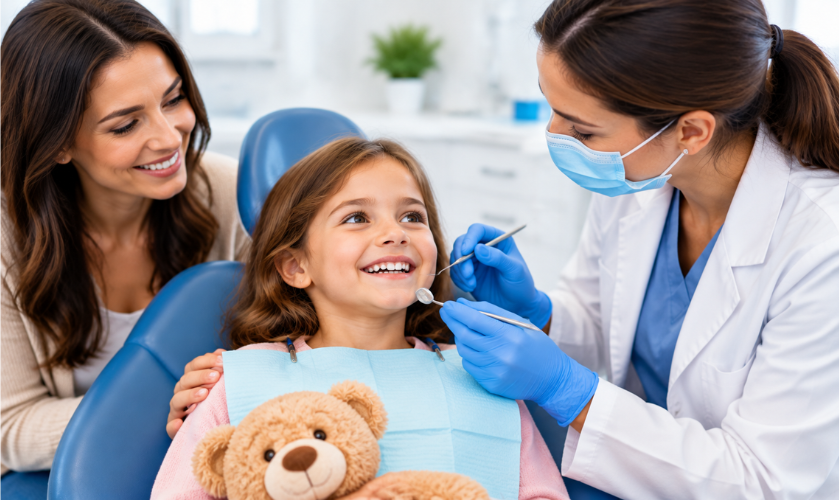
Children’s dentist in Guelph care focuses on helping young patients build healthy dental habits while protecting their growing smiles. Many parents wonder when dental problems can begin and what they can do to prevent issues before they affect their child’s comfort, confidence, or overall health.
Children’s teeth go through many changes as they grow. From the first baby tooth to permanent teeth coming in, each stage requires proper care and attention. Even small concerns, such as early tooth sensitivity or changes in brushing habits, can become bigger problems if they are overlooked.
At Alora Dental – Guelph, parents can receive guidance on maintaining their child’s oral health and creating positive dental experiences from an early age.
Why Is Children’s Dental Care Important?
A child’s oral health affects more than just their smile. Healthy teeth help children chew properly, speak clearly, and maintain confidence as they grow.
Baby teeth are especially important because they help guide permanent teeth into the correct position. Although these teeth eventually fall out, keeping them healthy can support proper development and reduce the risk of future dental complications.
The Canadian Dental Association recommends that children receive regular dental care to help maintain healthy teeth and gums from an early age.
Regular dental visits allow your dental team to:
- Monitor tooth development
- Identify concerns early
- Teach proper brushing habits
- Help children feel comfortable at the dentist
- Provide preventive treatments when needed
5 Common Dental Problems in Children and How Guelph Parents Can Prevent Them
1. Tooth Decay and Cavities
Cavities are among the most common dental problems children experience. They develop when bacteria in the mouth combine with sugars from food and drinks, creating acids that can weaken tooth enamel.
Children may be more likely to develop cavities because they are still learning proper brushing techniques and may consume sugary snacks or drinks throughout the day.
Signs of cavities may include:
- Tooth sensitivity
- Visible spots or discoloration
- Pain while eating
- Complaints about tooth discomfort
How Parents Can Prevent Cavities
Parents can reduce the risk of cavities by creating consistent oral care routines:
- Help young children brush twice daily
- Encourage flossing when teeth touch each other
- Limit frequent sugary snacks
- Choose water instead of sugary beverages
- Schedule regular dental checkups
Dental sealants and fluoride treatments may also help protect vulnerable areas of children’s teeth.
2. Early Tooth Sensitivity
Some children experience discomfort when eating cold foods, drinking hot beverages, or brushing certain areas of their teeth. While occasional sensitivity may not always indicate a serious problem, ongoing discomfort should be checked by a dental professional.
Possible causes of tooth sensitivity in children include:
- Tooth enamel wear
- Cavities
- Gum irritation
- Brushing too aggressively
- Dental injuries
How Parents Can Help Reduce Sensitivity
Parents should encourage gentle brushing using a soft-bristled toothbrush. It is also important to choose age-appropriate toothpaste and teach children not to brush with excessive force.
If your child frequently complains about tooth discomfort, scheduling a dental visit can help identify the cause.
3. Gum Problems in Children
Although gum disease is often associated with adults, children can also experience gum irritation caused by plaque buildup.
Early signs of gum problems may include:
- Red or swollen gums
- Bleeding during brushing
- Bad breath
- Tender gums
Poor brushing habits are one of the most common reasons plaque builds up around children’s teeth.
How to Protect Your Child’s Gum Health
Parents can support healthy gums by:
- Supervising brushing for younger children
- Encouraging daily flossing
- Maintaining routine dental cleanings
- Teaching children why oral hygiene matters
Healthy gums provide the foundation for a healthy smile as children grow.
4. Dental Anxiety and Fear of the Dentist
Dental anxiety is common among children, especially if they have never visited a dentist before or have had an uncomfortable experience.
Fear can sometimes prevent children from receiving necessary dental care, which may allow small problems to become larger concerns.
How Parents Can Make Dental Visits Easier
Parents can help children feel more comfortable by:
- Speaking positively about dental visits
- Avoiding words that may create fear
- Reading children’s books about dentists
- Scheduling visits early in childhood
- Choosing a dental office experienced with young patients
A welcoming dental environment can help children develop confidence and view dental visits as a normal part of staying healthy.
5. Tooth Injuries and Dental Emergencies
Children are active, which means dental injuries can happen during sports, playground activities, or accidents at home.
Common dental injuries include:
- Chipped teeth
- Cracked teeth
- Loose teeth
- Knocked-out teeth
What Should Parents Do After a Dental Injury?
If your child experiences a dental injury:
- Stay calm and comfort your child
- Check for visible damage
- Contact your dental office for guidance
- Seek immediate care for severe injuries
A quick response can help protect your child’s developing smile.
When Should Children Start Visiting a Dentist?
Many parents are surprised to learn that dental visits should begin early. A child’s first dental appointment is generally recommended around the time their first tooth appears or by their first birthday.
Early visits allow children to become familiar with the dental environment while parents receive guidance about:
- Brushing techniques
- Teething concerns
- Nutrition choices
- Oral development
Starting early helps create a foundation for lifelong dental health.
What Makes a Good Dental Experience for Children?
A positive dental experience can influence how children feel about oral care for years. Children benefit from a dental environment where they feel comfortable, respected, and understood.
A child-friendly dental approach includes:
- Explaining treatments in simple language
- Creating a calm atmosphere
- Encouraging questions
- Helping children feel involved
At Alora Dental – Guelph, families can receive personalised guidance to support their child’s oral health journey.
Building Healthy Smiles Starts at Home
Parents play an important role in preventing dental problems in children. Simple daily habits, combined with regular dental visits, can help protect your child’s smile as they grow.
Encourage your child to brush consistently, make healthy food choices, and understand that visiting the dentist is an important part of staying healthy.
If you are looking for a trusted children’s dentist in Guelph, Alora Dental – Guelph can help your family create a strong foundation for lifelong oral health.
Schedule your child’s dental visit today and take the next step toward a healthier smile.
Frequently Asked Questions
1. When should my child visit a children’s dentist in Guelph for the first time?
Children should typically have their first dental visit when their first tooth appears or by their first birthday. Early visits help monitor development and create positive habits.
2. How often should children visit the dentist in Guelph?
Most children benefit from routine dental visits every six months, although your dentist may recommend a schedule based on your child’s individual needs.
3. How can I help my child avoid cavities?
Parents can help prevent cavities by encouraging regular brushing, flossing, healthy eating habits, limiting sugary snacks, and maintaining routine dental appointments.
4. What should I do if my child chips a tooth in Guelph?
Contact your dental office for guidance after a chipped tooth. A dental evaluation can determine whether the tooth needs treatment or monitoring.
5. How can I help my child feel less nervous about dental visits?
Parents can prepare children by speaking positively about dental care, choosing a child-friendly dental office, and making visits part of their normal healthcare routine.